



R3 Bio develops cell-based research platforms using cellular reprogramming, stem-cell-derived systems, and advanced analytical methods. We are pursuing multiple research programs to better model human biology in vitro and evaluate where next-generation New Approach Methodologies (NAMs) may improve preclinical research. Our near-term focus is on experimental cell-culture systems and model validation, with the long-term goal of reducing reliance on animal studies in selected applications where the data support that use.
Biology in Service of Life

What Sets R3 Bio Apart
Cell-Based Platforms for Next-Generation Preclinical Research. We combine cellular reprogramming, stem-cell-derived systems, and analytical tools to study human biology in vitro and evaluate more predictive, ethically preferable research models.
R3 Bio is advancing several complementary research programs—from cellular reprogramming and stem-cell-derived model systems to computational analysis to build more informative approaches for studying human biology in vitro. Our work is designed to evaluate whether more integrated model systems can support selected NAM applications over time and help reduce reliance on animal studies where scientifically appropriate.

NAMs-Driven Platforms
Experimental in vitro systems built from stem cells to study biologically relevant processes in controlled settings.

Integrated Biological Signaling
Research aimed at capturing bioelectrical and other cross-cellular signals that are often lost in simpler assays

Regulatory-Aligned Science
Research infrastructure developed in response to institutions like the NIH—supporting validation, transparency, and responsible adoption across industry.
Mutiple Paths
Better Models
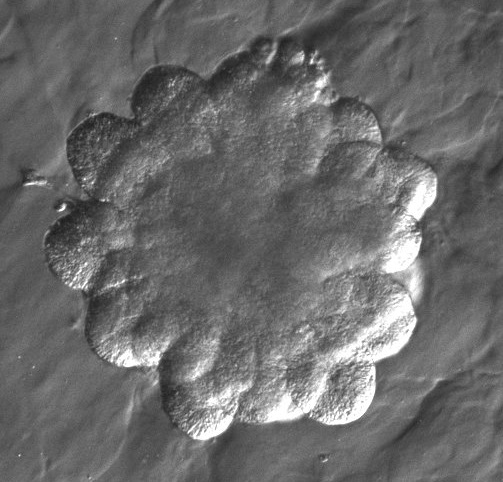
In Vitro Model Development
Design and validation of human-based biological systems that replace animal studies where appropriate and improve the predictive power of preclinical research.

NAMs Implementation
Deployment of New Approach Methodologies aligned with regulatory modernization efforts—helping partners adopt next-generation testing strategies with confidence.

Computational Analysis
Computational platforms that accelerate data interpretation, surface biological signals earlier, and streamline complex experimental pipelines.
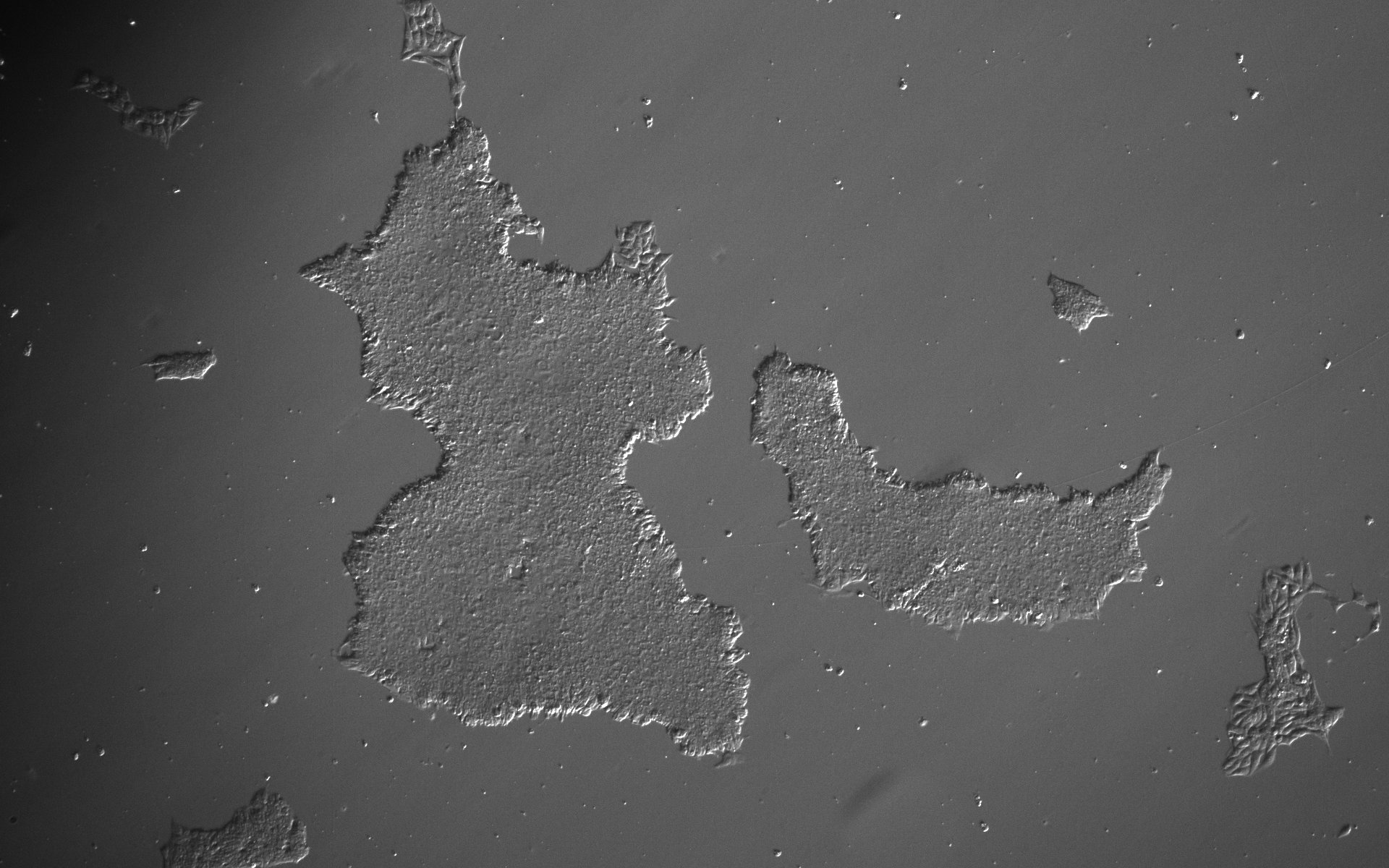
Regulatory-Ready Translation
Research programs structured for validation, reproducibility, and evolving agency expectations—supporting faster progression from laboratory insight to clinical decision.
Industry Engagement & Scientific Forums






Here are some frequently asked questions.
90
%
of drug candidates still fail in human trials.
What is R3 Bio's Mission?


R3 Bio develops cell-based research platforms using cellular reprogramming, human stem-cell-derived systems, and advanced analytical methods. Our near-term focus is narrow and executable: experimental cell-culture systems and rigorous model validation that serve as New Approach Methodologies (NAMs) to advance the 3Rs: Replacement, Reduction, and Refinement of animal testing.
Where are we based?
San Francisco with an upcoming second location in Puerto Rico.
Recent Media Coverage
We noted recent sensational media coverage. Such attention is not encouraged by us. R3 Bio works with microscopic structures in cell culture. We do not produce the types of large scale structures envisioned in the media. We do not work with live primates.
Have you considered human applications?
R3 Bio would be excited by the future prospect of full-scale human organ fabrication. However, we view the science as currently not ready. We have no ongoing work in this area.
What do you really do?
In the past few years, we created a few basic technologies in molecular cell biology. These could be applied in different ways. We think that reducing and replacing some of the current drug testing done on animals, would be a realistic first application, but even that is not fully ready yet.
We do not currently apply those to any human medical problems, such as organ production. We believe that further unknown breakthroughs would be needed for such highly dramatic applications.